
We know the challenge of picking your first saltwater inhabitants.
A single bad choice can destroy hundreds of dollars in delicate coral frags. Finding true reef safe fish for beginners is the most critical step in this hobby. Our team will break down exactly what this classification means using recent data, and our saltwater fish compatibility chart covers fish-to-fish compatibility once you have your reef-safe shortlist.
You will discover practical ways to build a thriving aquatic community.
What “reef-safe” means
A reef-safe fish completely ignores corals, clams, ornamental shrimp, and other invertebrates sharing its tank. Non-reef-safe species will actively peck, nibble, or consume these expensive additions. We use a spectrum to categorize these behaviors for local US hobbyists.
The average cost of beginner coral frags like zoanthids currently runs $15 to $40 in local markets. Protecting that investment requires sticking strictly to reliable species during your first year. Our chart below outlines the beginner-safe end of this spectrum.

- Reliably reef-safe: These fish ignore everything and are safe to add to any reef tank.
- With caution: These species ignore most corals but may nip occasionally on a case-by-case basis.
- Reef-incompatible: These fish will damage corals or eat invertebrates.
Reliably reef-safe categories
Beginner reef fish need to be hardy, peaceful, and forgiving. Building a stable ecosystem starts with picking from proven categories. We compiled this list of the absolute best options for a new setup.
Clownfish (Amphiprion ocellaris, percula)
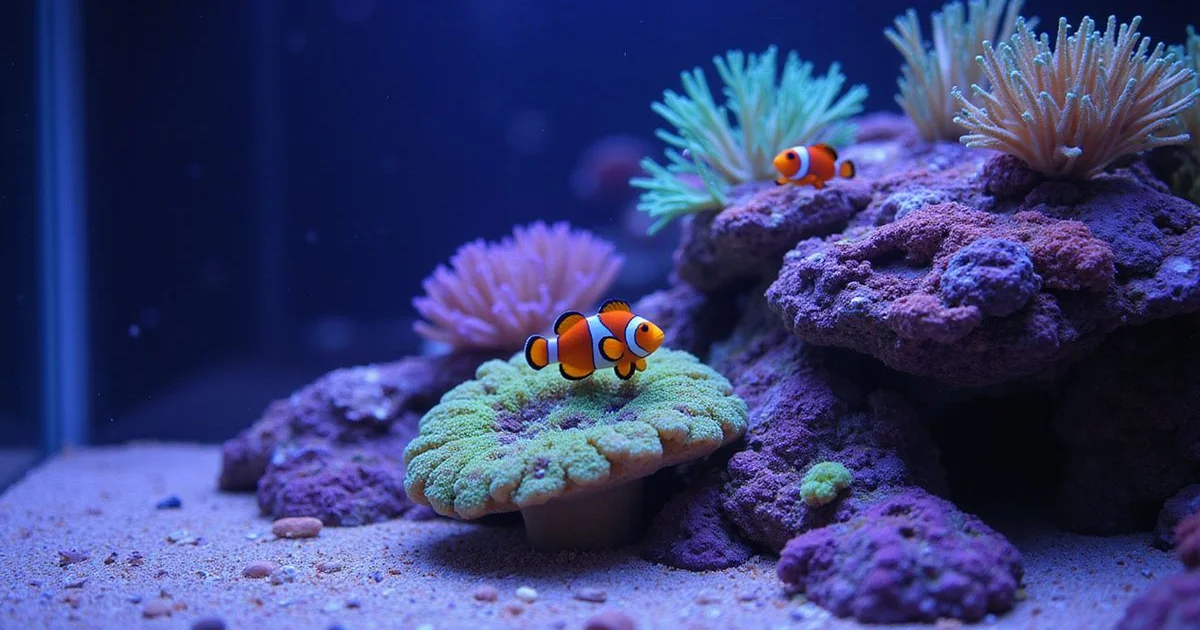
Captive-bred ocellaris and percula are the undisputed gold-standard options. Hardy and peaceful with non-clownfish, they will eventually host anemones once the tank matures. We highly recommend sourcing captive-bred varieties from US facilities like ORA in Florida.
Designer strains like the Super Storm boast impressive 8 to 10-year lifespans and incredible disease resistance. Buying a juvenile pair or a pre-bonded pair prevents territorial disputes. Our top tip is to avoid mixing two unbonded clownfish of different species in the same tank.
Gobies
Yellow watchman, neon, clown, diamond, and pink-spotted gobies are all completely reef-safe. These small, peaceful bottom-dwellers provide fascinating natural behaviors. We love pairing a Yellow Watchman goby with a Tiger Pistol Shrimp.
This symbiotic relationship helps maintain healthy sand-bed turnover rates. You should provide a varied sand depth of 2 to 4 inches to allow the shrimp to excavate proper burrows without hitting bottom. Our experience shows that matching their size ensures the shrimp will not bully a smaller goby out of the den.
Blennies
Lawnmower, tailspot, midas, and bicolor blennies are reef-safe and incredibly entertaining. Most of these fish naturally graze nuisance algae directly from your live rock. We see many new hobbyists rely on Lawnmower blennies to clear out hair algae.
A common pitfall is letting this specialized eater starve once the tank becomes too clean. Supplementing their diet with dried nori on a veggie clip prevents this issue. Our team recommends a tank size of at least 30 gallons for these active grazers.
Chromis
Blue and green chromis are budget-friendly schooling reef fish. They look attractive in a group of five or more and remain generally peaceful. We must warn you about a highly lethal free-living parasite called Uronema marinum.
Recent data shows this disease causes over 80 percent mortality in wild-caught green chromis within the first month. Uronema does not require a host to survive, making fallow periods completely ineffective. Our quarantine protocol for chromis is mandatory before adding them to a display tank.
Firefish (Nemateleotris)
Purple firefish, scarlet firefish, and the premium helfrichi hover near rockwork and bring bright flashes of color. These fish are peaceful and perfect for a reef safe community fish setup. We constantly remind customers that firefish are notorious jumpers.
A startled firefish will hurtle upward as a rapid defense mechanism. Securing your tank with a tight-fitting, quarter-inch mesh lid is absolutely required to keep them alive. Our staff advises against mixing two of the same species unless they arrive pre-bonded to prevent fighting.
Cardinalfish (Apogon, Pterapogon)
Pajama cardinalfish and Banggai cardinalfish are peaceful, attractive schoolers. They thrive in community tanks and readily accept prepared foods. We strongly urge aquarists to purchase only captive-bred Banggai cardinalfish.
The IUCN Red List classifies wild Banggai as endangered due to severe overfishing for the aquarium trade. Captive-bred specimens now make up nearly 90 percent of the US market and adapt much better to home aquariums. Our tanks always feature these sustainable, disease-resistant alternatives.
Royal Gramma (Gramma loreto)
The Royal Gramma is a vibrant purple and yellow basslet known for its hardiness. This strikingly beautiful fish stays close to rockwork crevices and overhangs. We find they prefer these shaded areas because their natural Caribbean habitat often involves deep-water caves.
Creating plenty of hiding spots reduces their stress and makes them more visible in the long run. Keeping only one Royal Gramma per tank prevents severe territorial aggression. Our customers love how quickly these fish adapt to standard pellet and frozen diets.
Orchid Dottyback (Pseudochromis fridmani)
The Orchid Dottyback is a small, hardy, semi-aggressive fish that is generally reef-safe. Their brilliant magenta coloration makes a bold statement in any setup. We recommend buying captive-bred dottybacks because they exhibit much milder temperaments.
Wild specimens often harass smaller tank mates like ornamental shrimp or passive gobies. Introducing them as one of the final additions helps curb their territorial instincts. Our preferred diet for them includes meaty frozen foods like mysis shrimp.
”With caution” species (case-by-case)
Certain popular fish carry a distinct risk of damaging your reef ecosystem. These species ignore most structures but might occasionally nip at specific targets. We strictly monitor these fish before recommending them.
- Coral beauty and bicolor angelfish: These dwarf angels are a coin toss. They frequently nip at fleshy LPS corals like Acanthastrea and soft Zoanthids, though they typically leave SPS corals alone.
- Yellow tang: This fish is completely reef-safe regarding corals. You must provide a minimum 75-gallon tank to give them enough territory.
- Six-line wrasse: This active swimmer entertainingly eats flatworms. It also commonly nips zoas and becomes highly aggressive toward newer fish in established tanks.
Reef-incompatible (don’t add)
Several stunning fish species are fundamentally incompatible with a beginner reef setup. Their natural diets consist of the very corals and invertebrates you are trying to grow. We refuse to sell these animals to new reef owners without a dedicated fish-only system.
Large angelfish and most butterflyfish will actively eat coral polyps. Triggerfish will destroy your expensive cleanup crew and may even damage your carefully arranged rock structures. Our data shows pufferfish and large adult wrasses will consume almost every snail or ornamental shrimp in sight.
| Fish Category | Primary Diet & Behavior | Reef Risk |
|---|---|---|
| Large Angelfish (Pomacanthus, Holacanthus) | Sponge and coral polyps | Nips and consumes corals |
| Butterflyfish | Coral polyps | Actively eats corals |
| Large Wrasses (Especially adults) | Snails and invertebrates | Decimates cleanup crews |
| Triggerfish | Crustaceans and hard shells | Destroys shrimp and rockwork |
| Pufferfish | Invertebrates | Eats almost everything |
Stocking order for beginners
Properly pacing your livestock additions prevents biological crashes and territorial wars. Introducing reef safe fish for beginners too quickly overwhelms the beneficial bacteria in a new system. We follow a strict five-step timeline to ensure long-term success.
Patience during these initial months saves you massive headaches later on. The biological filter needs time to adjust to each new bioload. Our proven stocking order looks like this.
- Cleanup crew first: Add snails, hermit crabs, and cleaner shrimp to establish biological balance once ammonia and nitrite hit 0 ppm.
- Peaceful first fish: Introduce a clownfish or goby pair at week 6 to 8 of a fully cycled tank.
- Add corals: Bring in hardy options like mushrooms, zoanthids, and leather corals at week 10 to 12.
- Second wave fish: Add firefish, blennies, or a royal gramma at week 16 or later.
- Last addition: Wait until after 6 months of stable operation before adding any centerpiece angelfish or with-caution species.
When to come in
Every saltwater fish at the counter gets tagged as reef-safe, with-caution, or fish-only. Sourcing reef safe fish for beginners shouldn’t involve guesswork. We confirm you understand the risks before finalizing any delicate purchase.
Browse the saltwater hub for current stock and availability. Seeing beginner-safe combinations live in the coral room provides excellent inspiration. Our team is ready to help you plan the perfect aquatic community.