
African and South American Cichlids in Sarasota
African Rift, South American, and dwarf cichlids — with the rockwork, water-chemistry, and aggression-management know-how to keep them thriving.
From $8 – $80 per fish
Our Cichlids Selection in Sarasota
We carry rotating stocks of Mbuna, Peacocks, Apistogramma, Bolivian Rams, Keyholes, and other community-friendly dwarfs alongside the larger New World classics. Setup is half the battle — we'll talk you through tank size, rockwork for territories, and stocking density before you commit.
<p>Have you ever stared at an empty aquarium and wondered how to bring it to life?</p>
<p>Setting up a tank for Cichlids is a very rewarding project.</p>
<p>We know exactly how exciting it is to watch these incredibly smart fish interact.</p>
<p>The colors are absolutely stunning. Building a thriving underwater community is simpler than it looks.</p>
<p>Our team is ready to walk you through the exact steps. Grab a cup of coffee, and let us plan it out together.</p>
What Cichlids we carry
<p>Our shop maintains a constantly rotating stock of incredible fish. You will find colorful African rock dwellers like the Yellow Lab, Demasoni, and Rusty Mbuna.</p>
<p>Beautiful Peacock cichlids and tiny Tanganyikan shellies also make regular appearances. We love carrying South American species like the Cockatoo Dwarf Cichlid (Apistogramma cacatuoides) and Bolivian Rams.</p>
<p>These Amazon basin natives thrive in soft water with a pH between 5.5 and 7.0. A single male Cockatoo Dwarf Cichlid looks stunning with his bright orange crest.</p>
| Feature | African Rift Cichlids | South American Cichlids |
|---|---|---|
| Water pH | 7.5 to 8.5 (Alkaline) | 5.5 to 7.0 (Slightly Acidic) |
| Decor Style | Heavy rockwork and caves | Driftwood and leaf litter |
| Popular Types | Mbuna, Peacocks | Apistogramma, Rams, Oscars |
<p>Our team also brings in larger New World classics like Oscars, Severums, Convicts, and Firemouths when tank space allows. Oscars grow rapidly and can reach 12 inches long in just one year.</p>
<p>Wild-caught Apistos, unique color morphs, and F1 Mbuna disappear quickly. We rotate these rare varieties constantly.</p>
<p>Call ahead when something exciting comes in because it goes fast.</p>
Why setup is half the battle
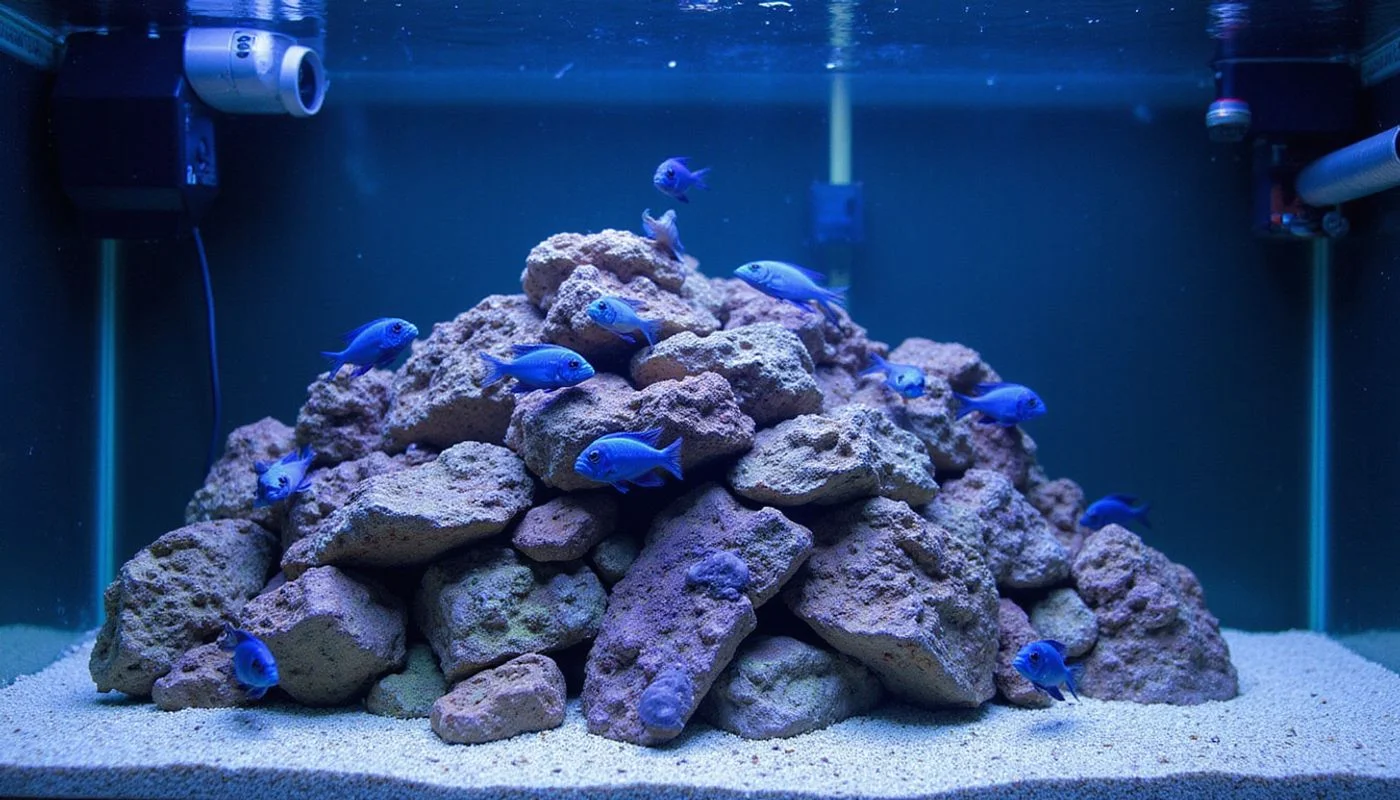
<p>Bad setups cause fish to fail, not bad fish. African Rift tanks need heavy rock structures that create line-of-sight breaks and defendable territories.</p>
<p>We see many beginners mix these rock-dwellers with South American species. South American biotopes require driftwood, leaf litter, and a soft water hardness of 1 to 10 dGH.</p>
<p>Mixing the two regions is a recipe for parameter conflict and chronic stress. Our staff will sketch your dream 55-gallon or 75-gallon tank with you right at the counter.</p>
- Match the water: Keep African species in alkaline water (pH 7.5 to 8.5) and Amazon species in acidic water (pH 5.5 to 7.0).
- Upsize the filter: Aim for 8x to 10x hourly turnover to handle the heavy bioload.
- Plan the layout: Build caves for Mbuna to hide in and use fine sand to protect their delicate fins.
<p>Proper filtration is the secret to clear water. The old rule of a 2x turnover rate simply is not enough for messy African species.</p>
<p>We always recommend an 8x to 10x hourly water turnover for peak health. A standard 75-gallon US aquarium needs 600 to 750 gallons per hour (GPH) of real-world flow.</p>
<p>Canister filters like the popular Fluval FX6 deliver massive power, but flow drops by 20 percent once you add media. Our experts will help you calculate the exact filtration upsizing and stocking order to keep dominant males from hurting new arrivals.</p>
Aggression management
<p>Aggression is completely natural in the wild, especially for African Rift varieties. The right answer for a peaceful tank is often adding more fish, not fewer.</p>
<p>We use a specific overstocking strategy to build harmony. Heavy stocking with 8 to 12 Mbunas per 30 gallons spreads the tension around.</p>
<p>No single fish becomes a constant target when the tank is busy. Our preferred ratio is exactly one male to three or four females.</p>
The secret to a peaceful African cichlid tank is a busy tank. Overstocking, paired with heavy filtration and a 1-to-3 male-to-female ratio, diffuses aggression naturally.
<p>This specific mix prevents the dominant male from exhausting a single female during breeding cycles. Pair that perfect ratio with plenty of rockwork breaks, and you get a thriving community.</p>
<p>We have made every pairing mistake personally over the years. Your new setup does not have to suffer the same trial and error.</p>
<p>Pairing the wrong species usually results in a lost fish every week. Our team can help you select a compatible group all at once. Adding all your fish on the same day stops older residents from claiming the entire tank.</p>
Ready for your Cichlids?
<p>Now that you understand the basics, it is time to plan your dream aquarium. Getting the right water parameters makes all the difference.</p>
<p>We cannot wait to help you pick out your first group. Stop by the shop this weekend to see our current stock.</p>
<p>Bring your tank measurements to the counter, and ask us any questions you have.</p>
How We Handle Your Cichlids Purchase
Pick a biotope
Africa or South America — they need different water and different setups. We'll help you choose before you commit.
Plan the rockwork
Territories matter. We'll sketch out caves, line-of-sight breaks, and stocking density to manage aggression.
Stock in the right order
Add subdominant fish first, dominant last. We'll sequence the build so nobody gets bullied to death.
Why Sarasota Hobbyists Buy Cichlids Here
Cichlid-specific expertise
We've kept Mbuna, Apistos, Rams, and New World cichlids ourselves — we know which combos fight and which work.
Honest tank-size minimums
Mbuna want 55+, Oscars want 75+, Apistos work in 20s. We'll tell you straight before you buy a fish too big for your tank.
Quarantined every time
Cichlids are no exception — two-week quarantine, observation for ich and bacterial issues, and prophylactic treatment as needed.
Cichlids in store
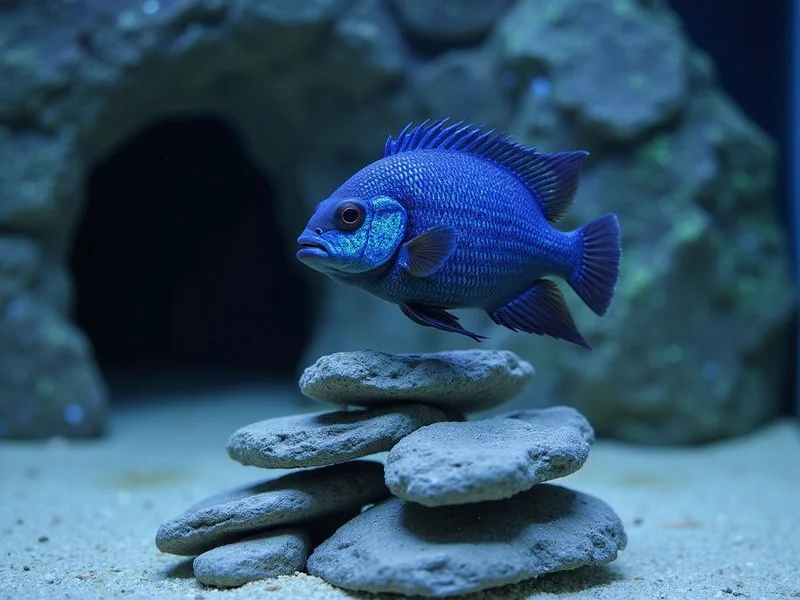
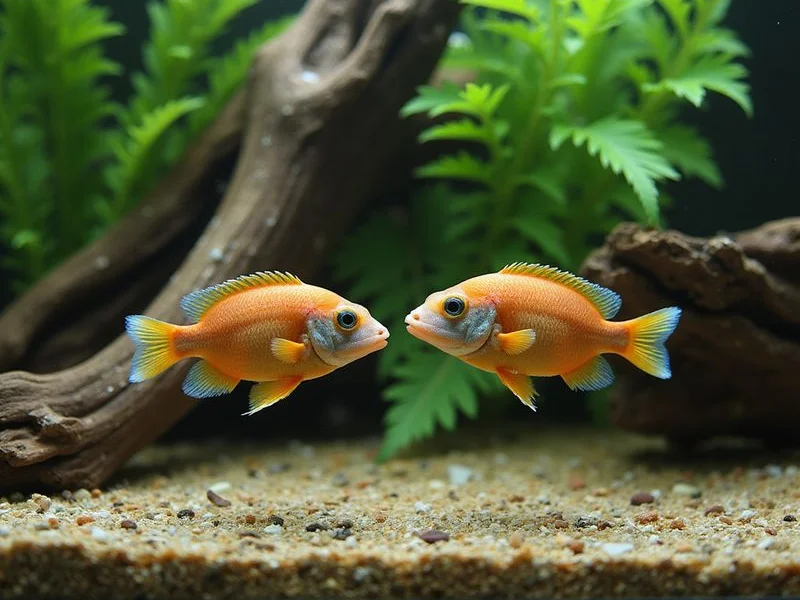
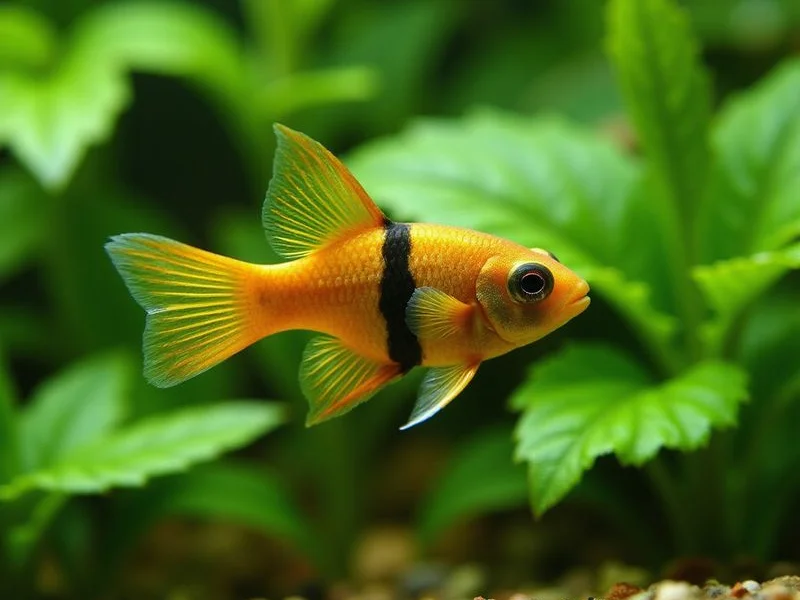
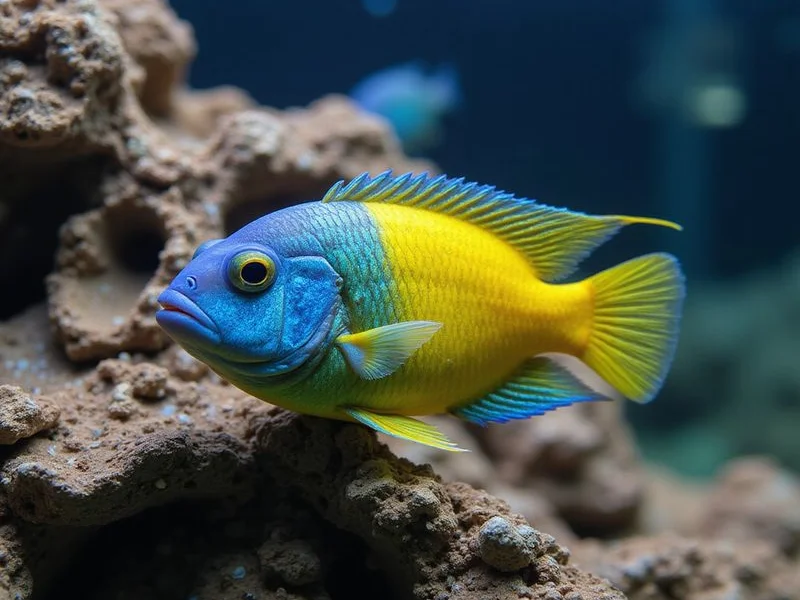
Bring your tank dimensions. We'll spec the cichlids.
Free water test, free advice, no pressure to buy more than your tank can hold.
Customers Who Came Back
"My kids' first aquarium has been running 2 years now thanks to the setup advice here. No losses!"
"I drove past three big-box stores to come here. Quarantined fish, real expertise, and they remember my tank from visit to visit."
"Finally a fish store where the staff knows what they're talking about. Marcus talked me out of buying fish that would've died in my tank. That's integrity."
Cichlids FAQ
What's the smallest tank for African cichlids?
Can I keep cichlids with tetras?
Why do African cichlid keepers overstock their tanks?
Are dwarf cichlids beginner-friendly?
Cichlids Guides
Practical answers from our Sarasota team — read before you visit so we can spec the right setup faster.
Can Cichlids Damage Tank Glass or Jump Out?
How real the risk is, which cichlids are worst offenders, and the simple gear and setup tweaks that prevent cracked glass and carpet jumpers.
processCichlid Tank Setup and Aggression Management
Cichlid tank setup guide — tank size by species, rockwork for territories, stocking density, filtration, and water parameters.
qualifierPeaceful Cichlids for Community Setups
Cichlids that work in community tropical tanks — Apistogramma, Bolivian Ram, Keyhole, Kribensis — plus what NOT to mix.
comparisonAfrican vs South American Cichlids: Which Is Right for You?
Side-by-side comparison — African Rift vs South American cichlids: water, temperament, biotope, and beginner-friendliness.
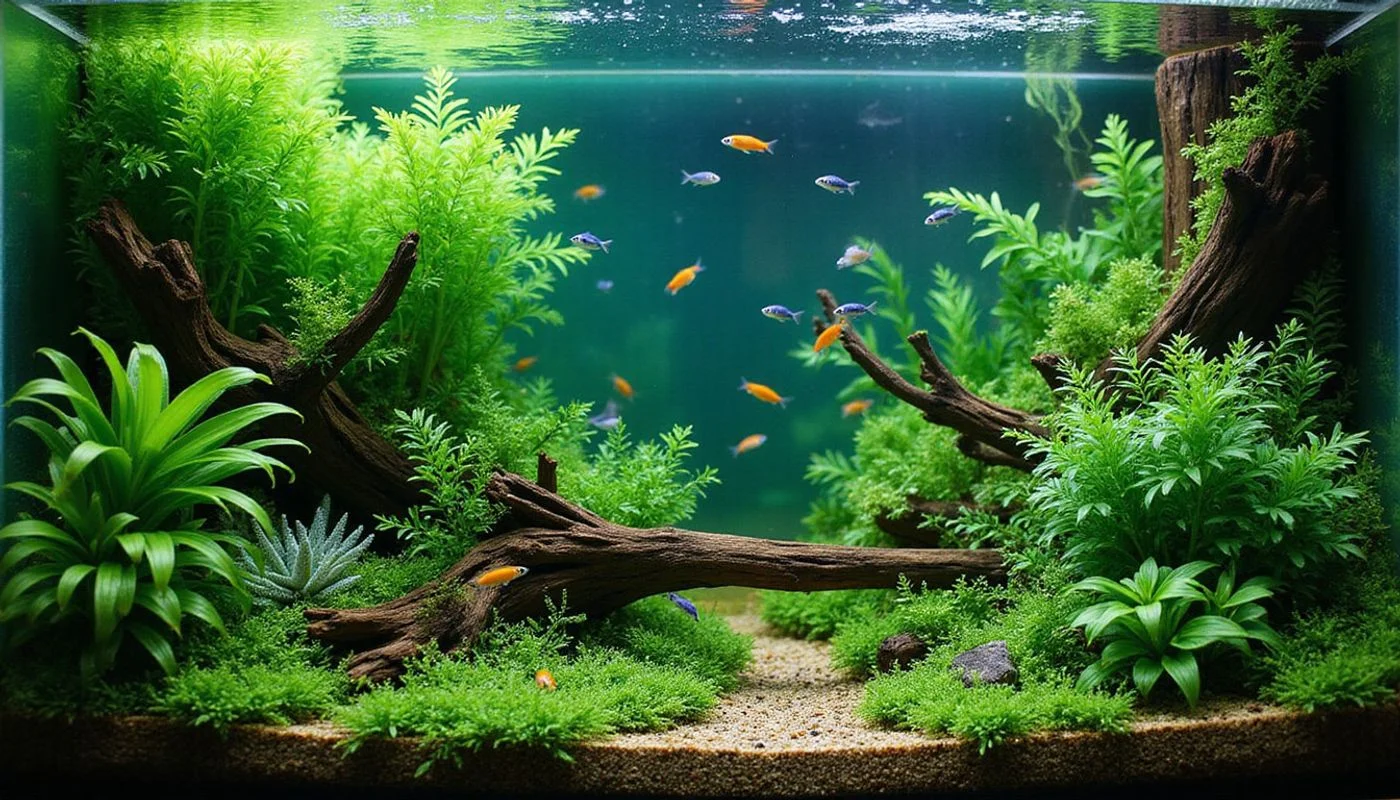
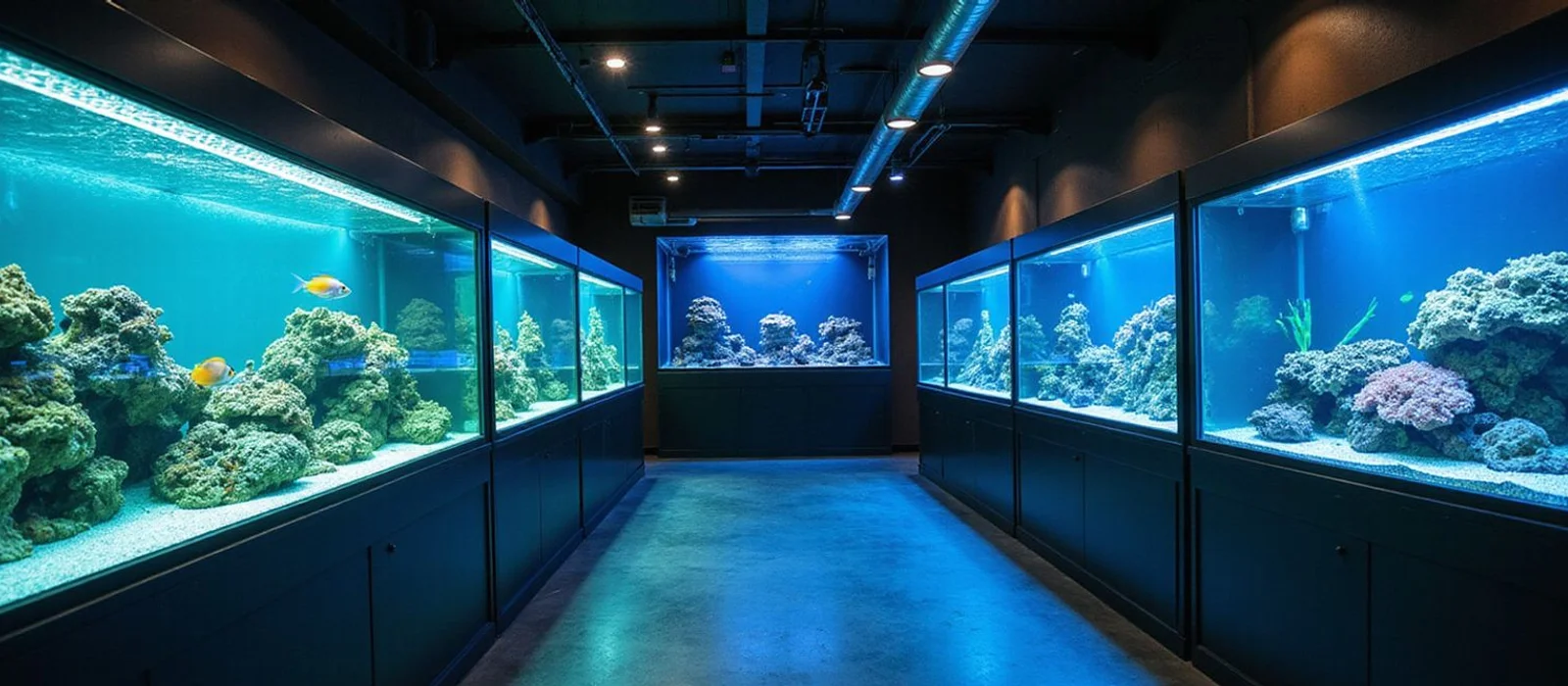
Stop in and see the quarantine room.
Walk-in advice is free. So is the water testing. Bring your tank dimensions, photos, or a water sample.
Mon-Sat 10am-6pm, Sun 12pm-5pm · 2847 Bee Ridge Road, Sarasota, FL 34239