
The honest answer
So, is saltwater aquarium hard for beginners?
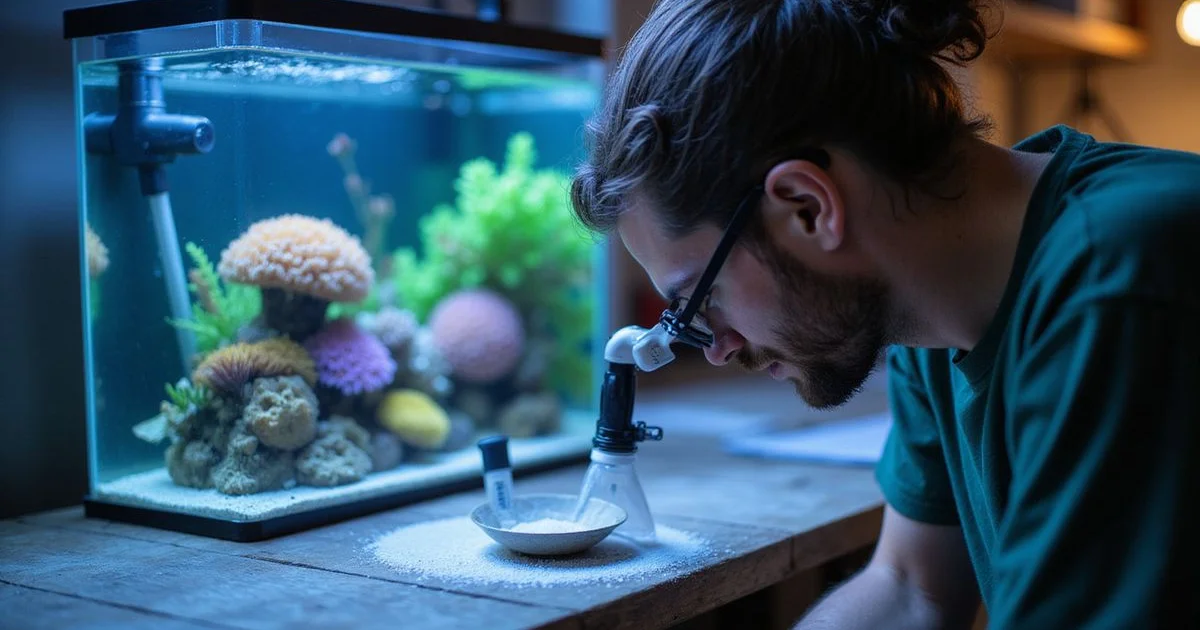
The honest answer is that keeping a marine tank takes more precision than freshwater, but it is entirely doable with the right setup. Browse our saltwater fish selection to see beginner-friendly species we actively recommend — every fish quarantined two weeks before sale, which is the difference between a starter tank that thrives and one that crashes. We see new hobbyists succeed every single week, and our 2-week quarantine protocol guide explains exactly why that screening matters most for first-time saltwater keepers.
The actual difficulty comes down to three main factors.
- Larger initial investment (Expect $500 to $800 for a quality beginner saltwater tank like a Waterbox Nano or Innovative Marine Nuvo Fusion)
- More variables to track (Monitoring salinity, alkalinity, calcium, and magnesium for reefs)
- Less margin for error (Marine fish are highly sensitive to ammonia spikes and temperature swings outside the ideal 77-79°F range)
What it is not is a full-time job. You do not need a chemistry degree to keep your first reef tank thriving. Maintenance usually takes less than an hour a week once the system stabilizes.
If you have kept a freshwater tank for a year, you are ready. You just need to get comfortable with mixing water and using basic test kits. Saltwater is simply the next reasonable step.
What’s actually different
The main difference is the water preparation and the specific equipment required to maintain stability. Freshwater tanks rely on simple tap water, while marine systems require highly purified water and carefully measured salt mixes.
| Aspect | Freshwater | Saltwater |
|---|---|---|
| Water source | Tap + dechlorinator | RO/DI water required (Sarasota tap chloramines kill corals) |
| Salinity | N/A | Track via refractometer, target 1.025-1.026 specific gravity |
| Salt mixing | N/A | Mix RO/DI + reef salt (like Instant Ocean), age for 24 hours |
| Alkalinity, Ca, Mg | Low priority | Daily or weekly monitoring required to support coral growth |
| Cycle time | 4-6 weeks | 6-8 weeks (marine nitrification is a slower process) |
| Sensitivity to ammonia | Tolerant species exist | Zero tolerance, strict testing required |
| Lighting | Important for plants only | Critical for coral photosynthesis (LEDs like AI Prime) |
| Filtration | HOB / canister sufficient | Requires a protein skimmer to remove dissolved organics |
The realistic learning curve
The learning process takes about six months to reach complete comfort. The timeline requires patience, which is the most common hurdle that causes new hobbyists to make rushed mistakes. We structure this natural progression into three distinct phases.
Days 1-30 (gear and setup):
- Buy your tank, RO/DI unit, refractometer, reef salt, sand, and dry rock to avoid unwanted pests.
- Cycle the tank without fish using pure ammonia drops to establish a strong bacterial foundation.
- Watch parameters daily to learn the chemical testing routine.
Days 30-90 (first livestock):
- Add a cleanup crew of snails and hermit crabs once the initial cycle fully completes.
- Introduce your first peaceful fish, such as captive-bred clownfish or hardy gobies.
- Learn the core maintenance routine by checking salinity weekly and major elements monthly.
Days 90-180 (corals):
- Wait for your water parameters to stay stable for 30 consecutive days before buying corals.
- Add hardy starter species like mushroom corals, colorful zoanthids, or forgiving leather corals.
- Refine your daily routine regarding coral placement, water flow rates, and LED lighting schedules.
By month six, most owners feel completely in control of their system. By month twelve, they are usually tuning specific coral placements or stocking more challenging fish.
Starter tank options
The best entry points are all-in-one nano setups or standard drilled tanks equipped with a sump. Choosing the right size immediately impacts your long-term success. Our team highly recommends avoiding anything under 10 gallons because the water chemistry swings too rapidly for beginners to correct.
Nano (10-30 gallons): $500-800
- All-in-one reef-ready tanks like the Innovative Marine Nuvo, Fluval Sea Evo 13.5G, or Red Sea Max Nano.
- Pre-plumbed designs include a hidden filter, return pump, and sometimes a built-in refugium.
- Compact LED lighting comes included to support basic coral growth.
- Buy a separate RO/DI unit for $150 to $300, or purchase pre-mixed saltwater directly from the shop.
Standard (40-75 gallons): $1,200-2,500
- Drilled glass tank featuring a dedicated filtration sump hidden underneath.
- Upgraded lighting fixtures from specialized brands like AI Hydra or Kessil.
- Dedicated space for a larger protein skimmer to efficiently remove organic waste.
- Larger water volume provides a much safer buffer against feeding mistakes or temperature shifts.
Don’t buy:
- Tanks under 10 gallons.
- Used tanks with no filtration history. Copper residue from old freshwater disease treatments is instantly fatal to marine invertebrates.
- Cheap, no-name salt mixes. Established brands provide the consistent calcium and alkalinity levels your corals demand.
Sarasota-specific notes
Local conditions dictate exactly how you manage your tank’s water quality and daily temperature. Sarasota tap water is simply not suitable for marine life without extensive heavy filtration.
- Tap water: The 2026 Sarasota water reports show average chlorine levels of 1.3 ppm and high concentrations of chloramines. This chemistry makes tap water lethal for delicate reef tanks. Buy purified RO/DI water from the shop for $0.50 to $1.00 per gallon, or invest in your own home filtration unit.
- Florida heat: Summer brings intense daily evaporation and elevated indoor tank temperatures. When water evaporates, the salt stays behind, creating a dangerous salinity spike if you incorrectly top off the tank with saltwater. Always top off with fresh RO/DI water, and attach a simple $30 clip-on fan to handle most nano aquarium cooling needs.
- Hurricane season: You must have backup power planned for tropical storms. A battery-powered air pump or generator will save your fish during power outages lasting over 24 hours. Most reef losses in Florida come from prolonged power loss, rather than actual reef-keeping difficulty.
When to come in
Bring your space measurements, budget, and timeline directly into the store. We will help you specify a realistic starter build and prevent expensive equipment mistakes before you spend a single dollar.
The store staff offers a free setup consultation that covers saltwater systems specifically. We will give you the necessary reef-keeping vocabulary before your very first stocking trip to the saltwater room. Setting up correctly from day one makes everything else much easier.