
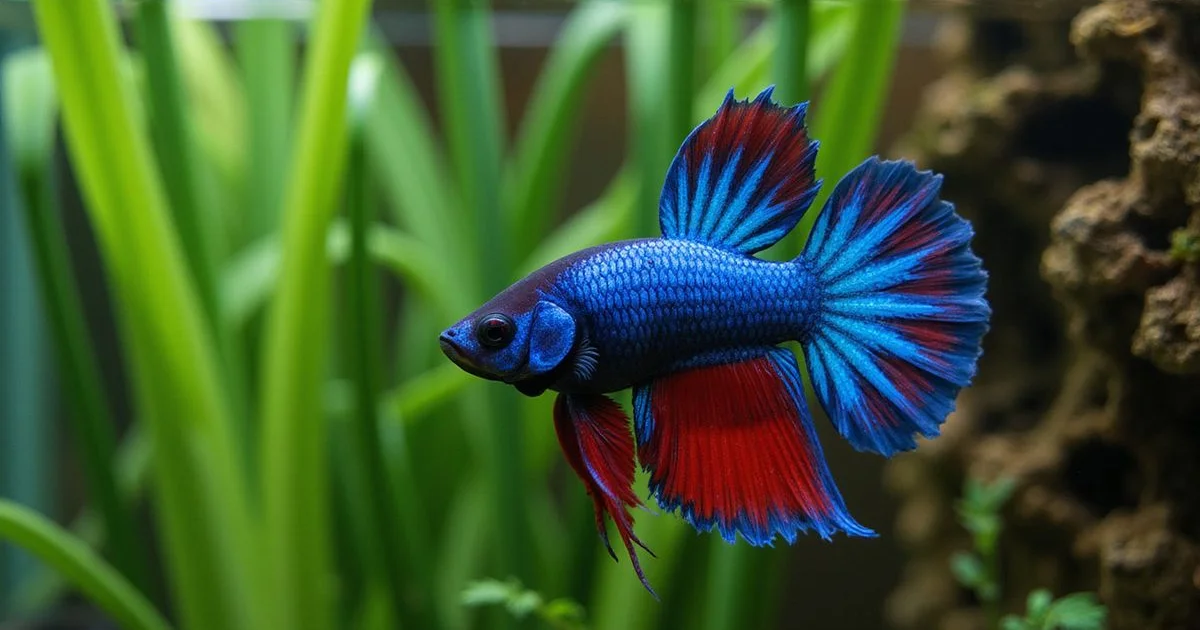
Walk into many offices or homes across the US, and you will likely spot a small, unheated fish bowl. These classic setups are actually the leading cause of premature fish loss, proving the betta bowl myth is a dangerous misconception.
The real issue comes down to basic temperature stability and measurable toxicity.
Let’s break down the exact math behind ammonia buildup and review the optimal habitat requirements. Our guide will then outline the exact starter kits you need to build a thriving display. Once you have the right size sorted, our betta tank mates that actually work guide covers which species can safely share that footprint.
The math: why bowls fail
A betta fish produces ammonia continuously through respiration and waste. In an unfiltered and unheated bowl, that toxic waste accumulates rapidly.
We know that maintaining safe water parameters is nearly impossible in a tiny volume of water. Let’s compare the measurable differences between a common bowl and a proper tank.
| Feature | 1-Gallon Bowl | 5-Gallon Filtered Tank |
|---|---|---|
| Ammonia Levels | Hits 0.25 to 0.5 ppm daily | Stays at 0.0 ppm |
| Temperature | Swings 10°F or more | Stable at 78-80°F |
| Typical Lifespan | 6 to 12 months | 3 to 5 years |
Those numbers dictate the health of the animal. Ammonia levels hitting just 0.25 ppm will chronically damage gill tissue and suppress the immune system.
Standard US air conditioning also drops room temperatures into the low 70s. This constant cooling creates severe temperature swings that shock tropical fish.
Our team always recommends a cycled biological filter because it consumes ammonia as fast as the fish produces it.
What a betta actually needs
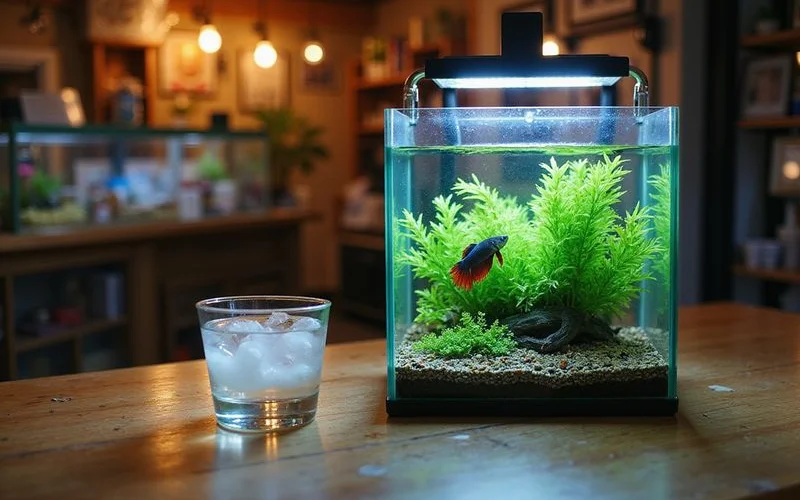
To keep these fish healthy in a home or office, you must understand their specific betta tank requirements.
Our maintenance logs show that proper setups prevent the majority of common diseases like fin rot and ich. Here is the exact hardware required for a stable aquatic environment.
Essential Tank Hardware
- Aquarium Size: When addressing the betta minimum tank size, choose a 5-gallon tank at a minimum, though a 10-gallon footprint is preferred. Length matters more than height because these fish swim horizontally to breathe at the surface.
- Adjustable Heater: Install a 25W to 50W heater set consistently between 78°F and 80°F. Sarasota air conditioning will keep a room in the low 70s most of the year, which is far too cold for a tropical species.
- Gentle Filtration: Use a sponge filter or a low-flow hang-on-back unit. These fish struggle in strong currents. You can easily baffle a strong filter intake with a simple piece of aquarium sponge.
- Secure Lid: Cover the top completely. Bettas are notorious jumpers and will escape an open container.
Ideal Water and Decor
- Water Chemistry: Keep the pH steady between 6.5 and 7.5. General hardness should remain below 25 GH to match their natural habitat.
- Strategic Decor: Provide plenty of cover using live species like Anubias or Java Fern. Silk plants, leaf hammocks, and smooth caves also work perfectly.
- Proper Lighting: Maintain moderate illumination. Bright lights cause stress and encourage unwanted algae growth.
Starter kit options
We stock several all-in-one desktop kits that meet these strict requirements right out of the box. Buying a bundled package often saves time and guarantees that the filter flow rate matches the water volume.
Here is a look at current 2026 pricing for top-tier systems in the US.
| Aquarium Kit | What is Included | Approximate Price |
|---|---|---|
| Fluval Spec V (5 gallon) | Tank, 7000K LED light, 3-stage hidden filter | $125 |
| Aqueon Edgelit (5 gallon) | Tank, LED lighting, internal filter | $70 |
| Standard 5-10 gal glass kits | Tank, basic lid, standard light, HOB filter | $70 to $120 |
You will still need to purchase a few separate components to complete the habitat. Adding a reliable Eheim Jager 25W to 50W heater costs about $25.
You should also budget for substrate ($10), a quality water conditioner ($8), and proper decor ($15).
Our typical residential or commercial installation runs between $140 and $190 total. This upfront investment completely eliminates the constant replacement costs associated with poor water quality.
Why pet-store cups are temporary
Retail pet stores typically hold these fish in small plastic cups holding only 8 to 16 ounces of water. That tiny container is strictly a temporary holding system.
While the animal might survive for a few weeks in those conditions, the confined space rapidly deteriorates their health. Prolonged time in a cup frequently leads to severe physical issues.
Watch for these common signs of cup stress in retail stores:
- Clamped Fins: The fish holds its fins tightly against its body.
- Stress Stripes: Horizontal dark lines appear across the torso.
- Lethargy: The fish sits motionless at the bottom of the cup.
- Fin Rot: The edges of the fins appear black or ragged.
You must purchase the fish, introduce it to a fully cycled tank, and properly acclimate it. The physical transformation is always dramatic.
Their colors brighten significantly, their clamped fins extend, and their daily behavior becomes highly interactive.
We always house our inventory in proper, heated glass enclosures before sale to prevent this exact cycle of decline. Setting a higher standard for retail displays protects the animal and ensures you take home a healthy pet.
When to buy your starter setup
Always build and fill the aquarium first, complete the nitrogen cycle, and then purchase your betta. Dropping a new fish into a fresh, uncycled container causes massive ammonia stress.
This single mistake ruins the vast majority of first-time keeping experiences. Follow this simple timeline for a safe setup:
- Build the Tank: Install the substrate, hardware, and plants.
- Start the Filter: Turn on the equipment and verify the temperature.
- Dose the Water: Add a live bacteria supplement like FritzZyme 7 to shrink the typical 8-week cycle down to 14 days.
- Test and Stock: Verify ammonia is zero, then add the fish.
We carry all the necessary desktop kits, precise heaters, safe water conditioners, and aquatic plants to build your display correctly. The right equipment prevents problems from day one.
Our staff provides complimentary layout advice right at the service counter. Bring in the dimensions of your office desk or living room table, and a team member will specify the exact build you need.
Conclusion
Setting up a proper habitat takes a little planning, but the results are worth the effort. You will enjoy a vibrant, active pet without the constant stress of fighting poor water quality.
We invite you to stop by the shop with your measurements. Let a professional help you select the perfect tank and start your nitrogen cycle today.